Protein Calculator – Calculate Daily Needs
Calculate protein needs easily for muscle growth and daily life.
That's 152g protein per day:
Shows how much of a single food you'd need to cover your needs. Combine multiple sources!
For optimal muscle growth, experts recommend a daily protein intake of 1.6g to 2.2g per kilogram of body weight.
Protein Calculator – Complete Guide: How much protein per day?
Protein is the essential building block for our muscles, skin, hair, and countless metabolic processes. Whether you want to build muscle, lose fat during a diet, or simply stay healthy – the question "How much protein do I need per day?" is one of the most important in all of nutrition science.
However, recommendations often vary widely. While the World Health Organization (WHO)issues rather conservative values for the general population (around 0.8g/kg), sports scientists recommend significantly more for athletes. Our Protein Calculator determined exactly the amount you need for your individual goal. Here you will learn everything about the background.
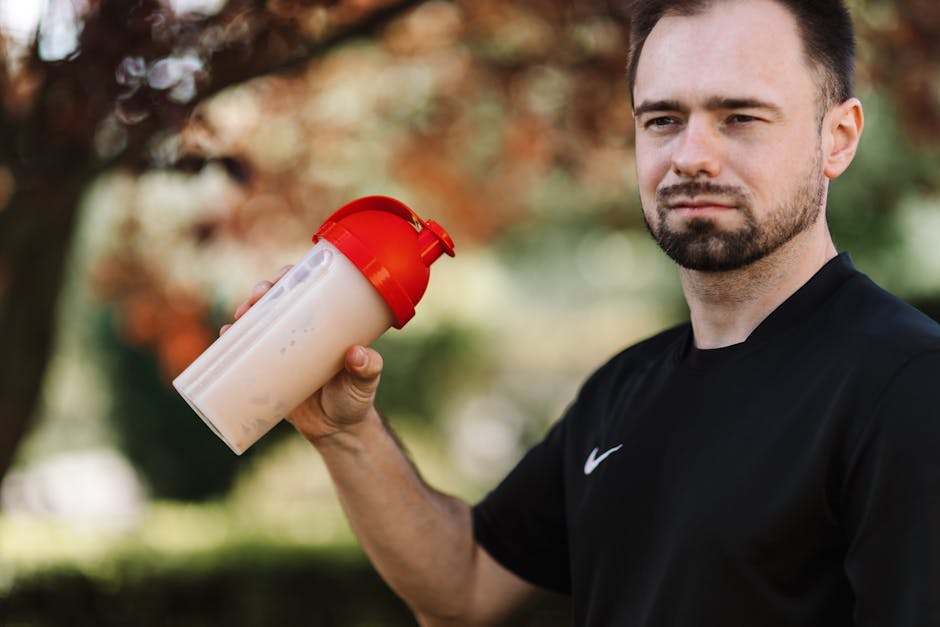
Protein Needs: What does the body need protein for?
Proteins are made up of amino acids. In total, there are 20 different amino acids that are important for humans, of which 9 are considered essential – meaning your body cannot produce them itself; you must consume them through food (e.g., from meat, eggs, dairy, or soy/legumes).
- Muscle Growth & Repair: Our Protein Calculator for muscle building helps you find the optimal building material for hypertrophy.
- Satiety: Of all three macronutrients (carbohydrates, fats, proteins), protein has the strongest and longest satiating effect. Eating plenty of protein per day reduces food cravings.
- Muscle Protection During Diets: In a caloric deficit, high protein intake protects against muscle loss.
How to calculate daily protein needs?
The Base Formula
The most common and scientifically recognized method to calculate protein needs is the factor per kilogram of body weight (g/kg).
Depending on activity level and goal, this factor differs drastically:
1. The Average Person (No Exercise)
Health organizations recommend a daily intake of 0.8 g of protein per kilogram of body weight for adults. For an average man weighing 80 kg, this means about 64 grams of protein per day. This is sufficient to prevent deficiency symptoms but is far too little for athletes.
2. For Muscle Building (Hypertrophy)
Those who actively do strength training (e.g., following the 5x5 Training Plan or German Volume Training) need more building blocks. Meta-analyses recommend a value between 1.6 g to 2.2 g of protein per kg of body weight for optimal muscle growth.
Calculation example: A 70 kg female athlete should consume approximately 112 to 154 grams of protein per day for optimal muscle building.
3. During a Diet (Fat Loss)
Paradoxically, the protein requirement is highest during a diet (caloric deficit). The lower the caloric intake and body fat percentage, the more likely the body is to burn muscle mass. To prevent this, experts often recommend 2.0 g to 2.5 g (or even up to 3.0 g) of protein per kg of body weight.
Is too much protein bad for the kidneys?
A persistent nutrition myth states that extremely high protein intake damages the kidneys. However, the current body of studies clearly shows: For healthy people (without pre-existing kidney disease), there is no evidence that a high-protein diet is harmful.
Nevertheless, excess protein (anything the body doesn't need for repair processes) is metabolized via the liver and ultimately used for energy production or excreted. More than 2.5g per kilogram of body weight rarely brings any visible additional benefit for muscle building (except in extreme diets).
Animal vs. Plant Protein
Not all protein is created equal. Protein sources are distinguished by their Biological Value(how well the body can convert dietary protein into its own protein).
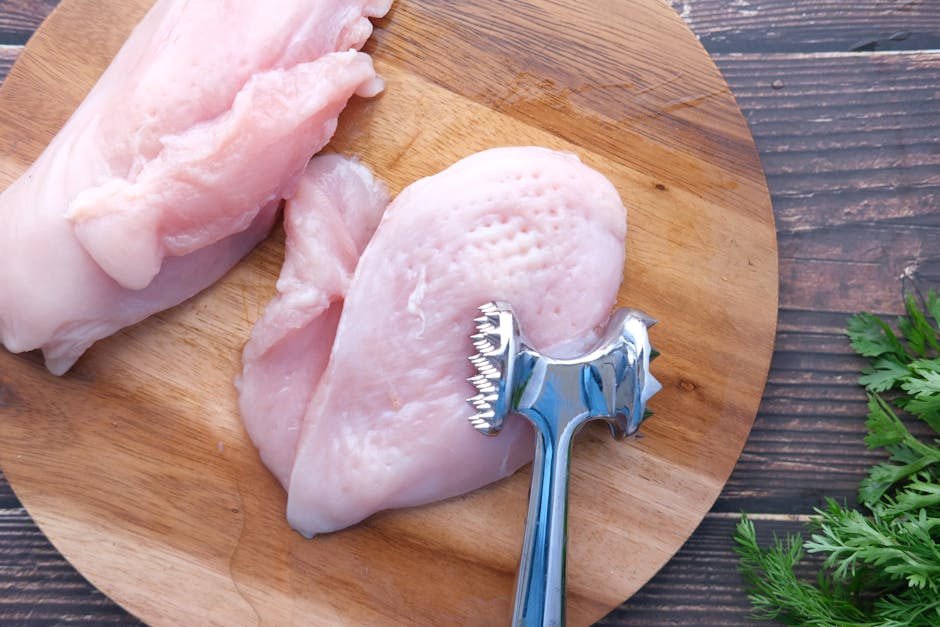
- Animal sources (meat, fish, eggs, whey protein): Generally have a complete amino acid profile and a very high biological value. They are extremely efficient for muscle building.
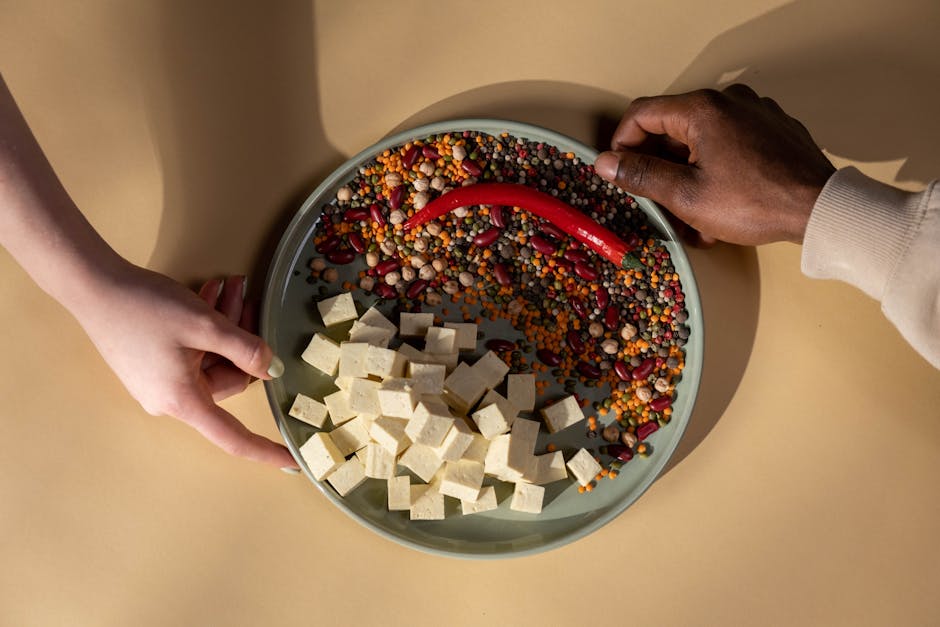
- Plant sources (soy, lentils, beans, peas, rice): Individual plant-based protein sources often lack a specific essential amino acid.
Tip for vegans: Through clever combining (e.g., rice and beans), the plant-based amino acid profile can be fully completed, making it in no way inferior to animal protein!
How to best use our Protein Needs Calculator
Our protein calculator asks for your body weight and your primary goal (muscle gain, maintenance, or fat loss). Based on thousands of data points and scientific studies, the algorithm provides exactly the sweet spot you should aim for daily. Use it in combination with a tracking app or the FitScale Calorie Calculator to perfectly tune your macros.
Frequently Asked Questions
How much protein is too much?
For healthy individuals, amounts up to 2.5g/kg are safe. Adequate hydration is important to support the kidneys in excreting urea.
Can I get all my protein from shakes?
Theoretically yes, but we recommend a balanced diet with natural sources like meat, fish, eggs, legumes, and dairy for additional micronutrients.
How much protein per meal?
Your body can utilize more than 30g of protein at once. However, distributing it over 3-5 meals throughout the day is optimal for muscle protein synthesis.
Protein for weight loss?
Absolutely! Protein is especially important during a diet to preserve muscle mass and increase satiety.
Plant-based vs. animal protein?
Animal protein often has a more complete amino acid profile. Vegans should combine different protein sources (e.g., rice and beans) to get all essential amino acids.