
Strength Standards – How Strong Are You?
Compare your strength levels across the 5 most important compound exercises. Values are relative to your body weight and indicate your training level.
| Exercise | Beginner | Novice | Intermediate | Advanced | Elite |
|---|---|---|---|---|---|
| Bench Press | 40kg ×0.50 | 60kg ×0.75 | 80kg ×1.00 | 120kg ×1.50 | 160kg ×2.00 |
| Squat | 60kg ×0.75 | 80kg ×1.00 | 120kg ×1.50 | 160kg ×2.00 | 200kg ×2.50 |
| Deadlift | 80kg ×1.00 | 100kg ×1.25 | 140kg ×1.75 | 200kg ×2.50 | 240kg ×3.00 |
| Overhead Press | 28kg ×0.35 | 44kg ×0.55 | 64kg ×0.80 | 88kg ×1.10 | 112kg ×1.40 |
| Barbell Row | 40kg ×0.50 | 60kg ×0.75 | 80kg ×1.00 | 120kg ×1.50 | 140kg ×1.75 |
Strength Standards: How strong are you really?
Have you been training hard in the gym for months, seeing muscle growthin the mirror, but still constantly asking yourself: "Is the weight I'm moving here actually any good?". The FitScale Strength Standards Calculator ends the guesswork. We compare your maximum training weight with the data of millions of other athletes and objectively classify your level (from beginner to elite).
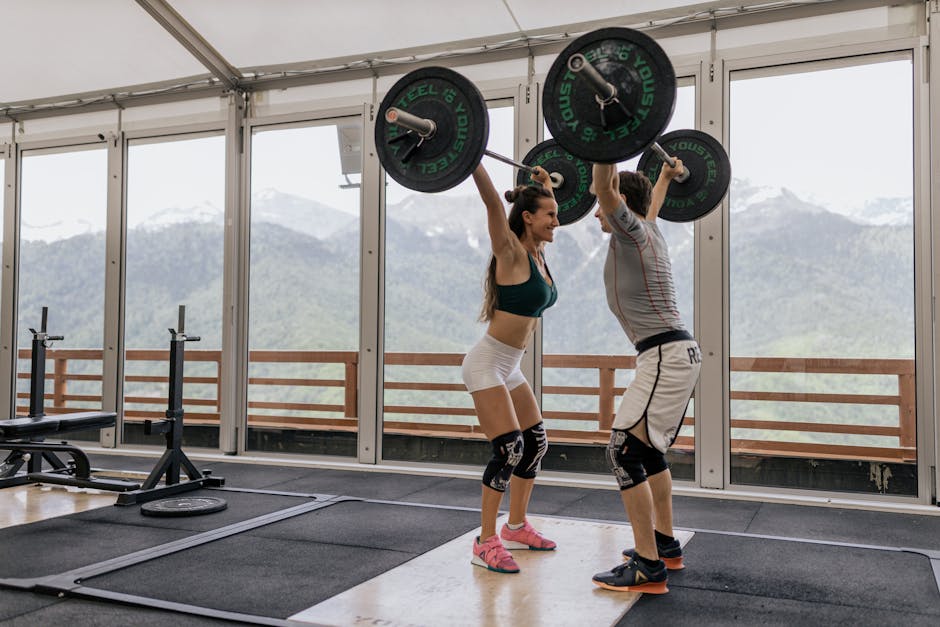
What are Strength Standards?
Strength is always relative. A 100 kg athlete pressing 100 kg on the bench is performing a completely different feat than a 60 kg athlete moving the same weight. Strength standards therefore always put your body weight in direct relation to your One-Rep-Max (1RM).
The database curves are mostly based on decades of powerlifting competition data (like those compiled by Mark Rippetoe or Dr. Lon Kilgore) as well as millions of app entries from recreational sports.
The 5 Strength Levels
- Beginner: You are new to the gym. Someone unpracticed, but who has rudimentarily understood the technique (0-6 months of training).
- Novice: You have been training regularly for a good 6 to 12 months. Your body's neurological adaptation is complete.
- Intermediate: You have trained consistently for 1-2 years, pay attention to your protein intake and track progression. About 50% of all gym-goers worldwide never reach this level.
- Advanced: You have trained hard continuously for over 3-5 years. You belong to the strongest 10% in any commercial gym.
- Elite: Competition level. Athletes who have dedicated decades of their life to strength sports (as powerlifters or strongmen).
Popular Goals: The Benchmark Lifts
To give you a feel for strength standards, there are unwritten rules in powerlifting. A man in the "Intermediate/Advanced" range at a body weight of approx. 80 kg should aim for the following values (the so-called "1/2/3/4 Plate Goal"):
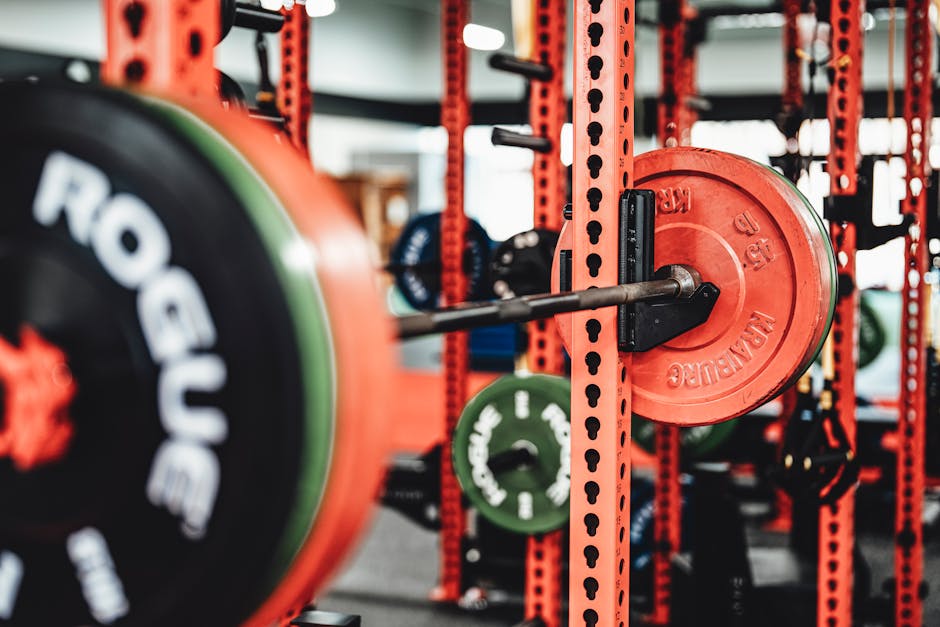
- Overhead Press: 1x own body weight (approx. 60-80 kg)
- Bench Press: 1.5x own body weight (approx. 100-120 kg)
- Squat: 2x own body weight (approx. 140-160 kg)
- Deadlift: 2.5x own body weight (approx. 180-200 kg)
Reminder: Due to lower testosterone levels and less muscle mass in the upper body, completely different (about 30-40% lower) benchmark numbers apply to women biologically! Our calculator naturally differentiates this.
How do I get stronger?
If the calculator shows you that after two years of training you are still stuck at "Beginner", you are making one of the following three mistakes:
- No Progressive Overload: If you do the same weight for the same number of reps today as you did 3 months ago, the body has no reason to build muscle. You must increase weights!
- Wrong Training Plan: Anyone who only ever isolates their biceps won't get strong. Switch to a sensible 5x5 Plan that fully focuses on compound exercises.
- Too few calories: Muscles don't grow out of thin air. Without a slight calorie surplus (bulk), the body lacks the energy for heavy PRs (Personal Records).
Enter your age, gender, body weight, and your best performance in an exercise into the tool, and find out how you stack up against the rest of the world!
Frequently Asked Questions
What are strength standards?
Strength standards are benchmarks showing how strong you are compared to other lifters. They are based on the ratio of the weight you lift to your body weight.
How are the levels categorized?
There are 5 levels: Beginner (< 3 months training), Novice (3–12 months), Intermediate (1–3 years), Advanced (3–5+ years), and Elite (competition level).
Do values apply to all body weights?
Values are expressed as multiples of body weight, making them weight-independent for comparison. The table automatically adjusts to your entered weight.
Why are my values lower than expected?
Standards are based on 1RM values (one rep maximum). If you usually train with multiple reps, use our 1RM Calculator to estimate your maximum.
Are values the same for men and women?
No, standards are gender-specific. Women have biologically lower absolute values, which is reflected in the multipliers.