
FitScale LogoFitScale

Cardio vs. Strength Training for Weight Loss

The eternal debate: Should you do cardio or strength training to lose fat? The answer is more nuanced than you think.

FitScale Editorial Team7 min read
Cardio vs. Strength Training for Weight Loss

Cardio: Benefits and Limitations

Benefits of cardio:

  • Burns the most calories per minute during activity
  • Improves cardiovascular health
  • Low barrier to entry (walking, jogging, cycling)
  • Good for mental health and stress relief

Limitations:

  • No significant afterburn effect
  • Doesn't build muscle mass (can even reduce it)
  • Body adapts → same distance burns fewer calories over time
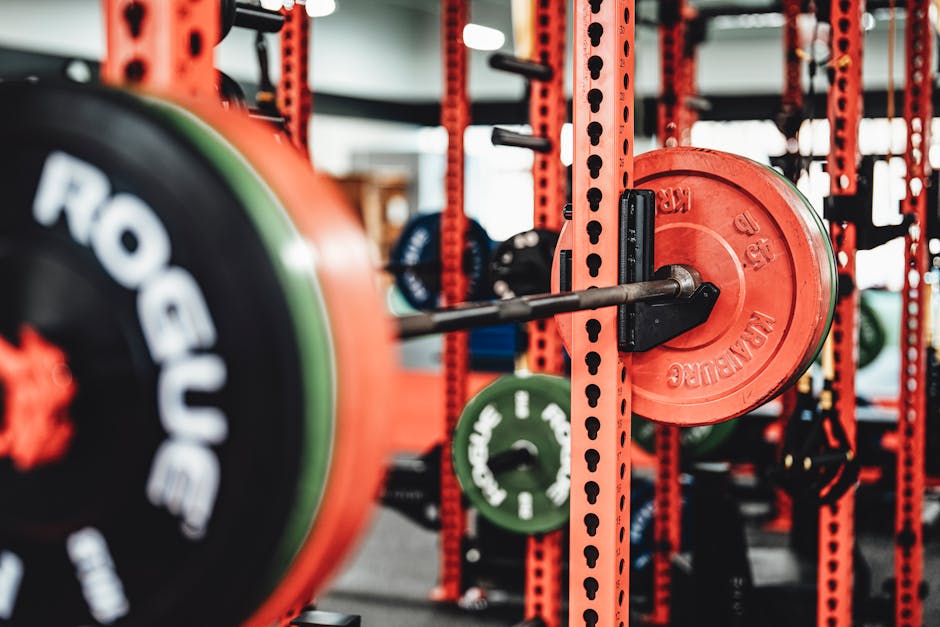
Strength Training: The Underrated Fat Burner

Strength Training: The Underrated Fat Burner

Benefits of strength training:

  • Muscles increase your basal metabolic rate – 1 kg of muscle burns about 13 kcal/day at rest
  • Stronger afterburn effect than cardio
  • Protects muscle mass during a diet
  • Improves body composition (less fat, more muscle)
  • Increases insulin sensitivity

Science is clear: Strength training during a diet is essential to minimize muscle loss. Without strength training, up to 25% of weight loss can come from muscle mass.

The Optimal Combination

The best strategy combines both:

  1. Strength training (3–4x/week): For muscle maintenance and building
  2. Moderate activity (daily): 8,000–10,000 steps (NEAT)
  3. Optional cardio (1–2x/week): HIIT or LISS for additional calorie burn

Priority: Strength training > NEAT > Cardio. Use our Calorie Calculator to determine your optimal deficit.

Frequently Asked Questions

How much weight can I healthily lose per week?+

0.5–1 kg per week is a healthy pace. This equals a calorie deficit of 500–1,000 kcal per day. Faster weight loss often leads to muscle loss and yo-yo effect.

Is cardio or weight training better for weight loss?+

Both together are ideal. Weight training preserves muscle mass (and thus BMR), cardio burns additional calories. HIIT cardio is time-efficient, but weight training has the greater long-term effect.

Do I have to avoid certain foods?+

No. There are no forbidden foods. What matters is total calorie balance. High-protein, high-fiber foods are more satiating and help maintain the deficit.

Why is my weight stalling despite dieting?+

Plateaus are normal. Possible reasons: water retention, unconscious overeating, declining BMR. Solution: recalculate calories, adjust training volume, be patient.

Can I build muscle and lose fat at the same time?+

Yes, this is possible through 'body recomposition' – especially for beginners and overweight individuals. Requirements: adequate protein (2g/kg), weight training, and a moderate deficit (max 300–500 kcal).

🛠 Related Tools

🔥Calorie Calculator📏Body Fat Calculator💪1RM Calculator