FitScale

Cardio vs. Strength Training: Which Is Better for Weight Loss?

The eternal debate: Should you do cardio or strength training to lose fat? The answer is more nuanced than you think.

FitScale Editorial Team7 min read
Cardio vs. Strength Training: Which Is Better for Weight Loss?

Cardio: Benefits and Limitations

Benefits of cardio:

  • Burns the most calories per minute during activity
  • Improves cardiovascular health
  • Low barrier to entry (walking, jogging, cycling)
  • Good for mental health and stress relief

Limitations:

  • No significant afterburn effect
  • Doesn't build muscle mass (can even reduce it)
  • Body adapts → same distance burns fewer calories over time
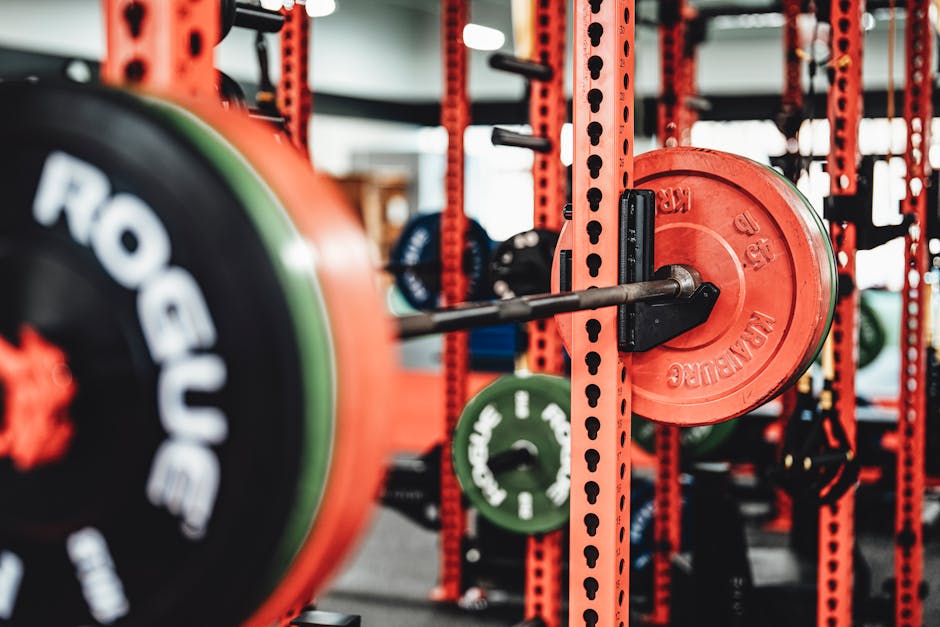
Strength Training: The Underrated Fat Burner

Strength Training: The Underrated Fat Burner

Benefits of strength training:

  • Muscles increase your basal metabolic rate – 1 kg of muscle burns about 13 kcal/day at rest
  • Stronger afterburn effect than cardio
  • Protects muscle mass during a diet
  • Improves body composition (less fat, more muscle)
  • Increases insulin sensitivity

Science is clear: Strength training during a diet is essential to minimize muscle loss. Without strength training, up to 25% of weight loss can come from muscle mass.

The Optimal Combination

The best strategy combines both:

  1. Strength training (3–4x/week): For muscle maintenance and building
  2. Moderate activity (daily): 8,000–10,000 steps (NEAT)
  3. Optional cardio (1–2x/week): HIIT or LISS for additional calorie burn

Priority: Strength training > NEAT > Cardio. Use our Calorie Calculator to determine your optimal deficit.

Frequently Asked Questions

How much weight can I healthily lose per week?+

0.5–1 kg per week is a healthy pace. This equals a calorie deficit of 500–1,000 kcal per day. Faster weight loss often leads to muscle loss and yo-yo effect.

Is cardio or weight training better for weight loss?+

Both together are ideal. Weight training preserves muscle mass (and thus BMR), cardio burns additional calories. HIIT cardio is time-efficient, but weight training has the greater long-term effect.

Do I have to avoid certain foods?+

No. There are no forbidden foods. What matters is total calorie balance. High-protein, high-fiber foods are more satiating and help maintain the deficit.

Why is my weight stalling despite dieting?+

Plateaus are normal. Possible reasons: water retention, unconscious overeating, declining BMR. Solution: recalculate calories, adjust training volume, be patient.

Can I build muscle and lose fat at the same time?+

Yes, this is possible through 'body recomposition' – especially for beginners and overweight individuals. Requirements: adequate protein (2g/kg), weight training, and a moderate deficit (max 300–500 kcal).

🛠 Related Tools

🔥Calorie Calculator📏Body Fat Calculator💪1RM Calculator