FitScale

Understanding Macronutrients: The Ultimate Guide to Protein, Carbs & Fat

Science-based guide: How protein, carbohydrates and fats control your metabolism, muscle growth and hormones.

FitScale Editorial Team12 min read
Understanding Macronutrients: The Ultimate Guide to Protein, Carbs & Fat

What Are Macronutrients?

Macronutrients (often referred to as "macros") are the essential nutrients our body requires in large quantities ("macro") to generate energy, build tissue, and maintain vital metabolic processes. Unlike micronutrients (vitamins and minerals) which contain no usable energy, macros form the direct metabolic fuel for our nervous and musculoskeletal systems.

The three primary macronutrients are Protein, Carbohydrates, and Dietary Fats. Each nutrient fulfills completely different biochemical roles. At the same time, the sum of these macros determines your total daily caloric intake:

  • Protein: 4 kcal per gram – Structural building block for amino acid structures (muscle fiber, skin, enzymes)
  • Carbohydrates: 4 kcal per gram – Rapid energy supply for cognitive function and intense muscular work
  • Fat: 9 kcal per gram – Long-term energy storage, hormone synthesis, and absorption of fat-soluble vitamins

Alcohol is an exception: It provides 7 kcal per gram and is biochemically used as fuel, but offers no nutritional value ("empty calories") and actively inhibits muscle protein synthesis.

Protein: The Anabolic Building Block of Life

Proteins are macromolecules composed of amino acids. Out of the 20 amino acids relevant to humans, 9 are essential (EAA – Essential Amino Acids), meaning your body cannot synthesize them. For athletes, the amino acid Leucine is in the spotlight because it acts as the primary trigger for the mTOR pathway, initiating Muscle Protein Synthesis (MPS).

The International Society of Sports Nutrition (ISSN) and comprehensive meta-analyses suggest significantly higher protein intakes for muscle building and retention compared to standard governmental dietary guidelines (which often sit at 0.8g/kg):

  • Hypertrophy (Muscle Building): 1.6 to 2.2 g per kg of body weight daily. Exceeding this upper bound, according to prominent studies (Morton et al.), yields no further significant returns in striated muscle mass.
  • Aggressive Cutting (Caloric Deficit): 2.0 to 2.6 g per kg of body weight. In a deficit, the body tends to catabolize endogenous protein (muscle) for energy. A high-protein environment prevents this tissue loss.

Meal Frequency Tip: Since the body cannot store large reserves of protein (unlike fat or glycogen), it is optimal to distribute your protein intake across 3-5 meals, aiming for at least 20-30g of high-quality protein per sitting.

Carbohydrates: Glycogen and Workout Performance

Carbohydrates: Glycogen and Workout Performance

Unlike protein and dietary fat, carbohydrates are not strictly "essential" for survival—the body can synthesize glucose via gluconeogenesis in the liver. Despite this, they remain the most critical performance driver for strength and endurance athletes.

During digestion, carbs are broken down into glucose. This glucose circulates in the blood and is stored locally within muscle tissue and the liver as glycogen. Fully stocked glycogen reserves enable intense resistance training and intramuscular water retention, leading to a "fuller" muscular appearance.

Choosing the Right Carbohydrates:

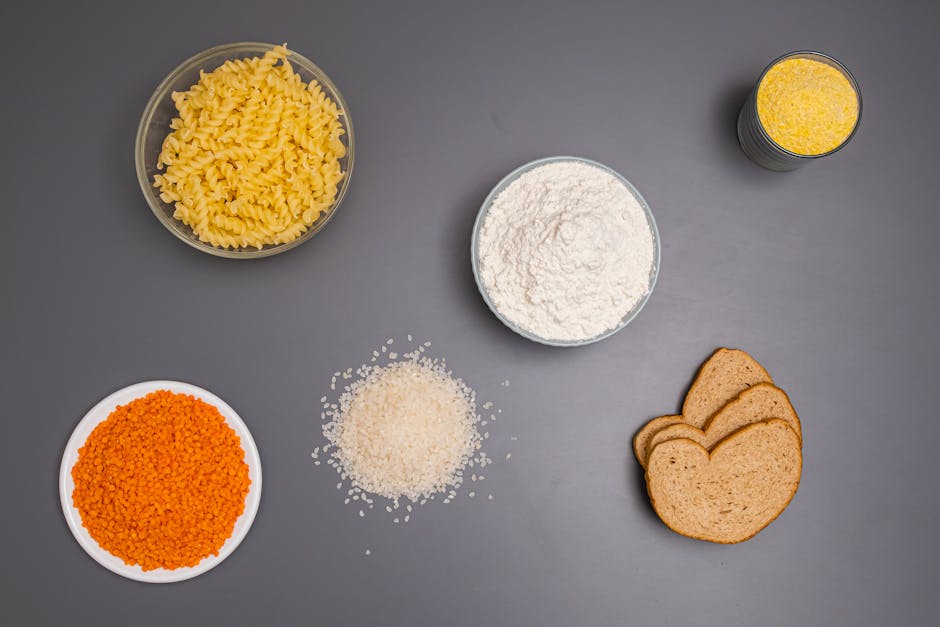
  • Complex & Fibrous: (Oatmeal, brown rice, sweet potatoes, lentils) – These cause a gradual rise in blood sugar, keep you satiated for hours, and are ideal for the bulk of your day. Health authorities recommend at least 30g of dietary fiber daily.
  • Simple & Fast-Digesting: (Rice cakes, maltodextrin, fruit) – These spike insulin rapidly. They are perfect as a pre-workout meal (30-60 minutes prior) or immediately intra/post-workout to rapidly halt catabolic processes.

Fat: Hormonal Balance and Testosterone

Fat: Hormonal Balance and Testosterone

Dietary fats (lipids) suffered from a poor reputation for decades, yet they are an absolute necessity for physiological health. Most prominently, the endocrine system relies heavily on adequate fat intake for hormonal regulation.

Current clinical research (e.g., Whittaker et al., 2021) has demonstrated that classic "low-fat diets" can cause statistically significant, double-digit percentage drops in male testosterone levels. Since steroid hormones like testosterone are synthesized directly from cholesterol, chronically restricting dietary fats effectively sabotages your anabolic hormone cascade.

Furthermore, fats are required for the intestinal absorption of fat-soluble vitamins (A, D, E, K).

Guidelines for Athletes:

  • Never drop below 0.8g of fat per kg of body weight for extended periods.
  • A healthy target ranges from 20-30% of total daily caloric intake.
  • Prioritize unsaturated fatty acids: Extra virgin olive oil, walnuts, avocados, and especially Omega-3 fatty acids (EPA/DHA) found in fatty sea fish (salmon, mackerel).

Conclusion: Building Your Perfect Macro Split

Thermodynamics (caloric surplus vs. caloric deficit) ultimately dictates whether you gain or lose weight. However, your macronutrient distribution dictates the quality of that weight change (muscle mass vs. adipose tissue).

For conventional bodybuilding or aesthetic fitness training, calculating your macros linearly ("If It Fits Your Macros") is the gold standard approach:

  1. Determine your daily caloric target based on your goal (Use our Calorie Calculator).
  2. Set your daily protein goal (e.g., 2g per kg body weight). Calculate its calories (g * 4).
  3. Set your daily fat goal (e.g., 1g per kg body weight). Calculate its calories (g * 9).
  4. Fill all remaining available daily calories entirely with carbohydrates.

This simple framework guarantees physiological health, maximizes muscle preservation (or accretion), and fully fuels your heavy training sessions!

Frequently Asked Questions

How much protein do I need per day?+

Optimal protein intake depends on your goal: 1.6–2.2 g/kg body weight for muscle building, 2.0–2.4 g/kg during a diet, and 0.8–1.0 g/kg for general health. Use our Protein Calculator for an individual calculation.

Are carbs bad for weight loss?+

No! Carbs don't make you fat – a calorie surplus does. Carbohydrates are the best energy source for intense training. Low-carb diets only work because they often reduce total calorie intake.

What's the difference between good and bad fats?+

Unsaturated fats (olive oil, avocado, nuts, fish) are healthy and essential. Trans fats (processed foods, fried foods) should be avoided. Fat is important for hormones and vitamin absorption.

How can I accurately calculate my calories?+

First calculate your BMR (Basal Metabolic Rate) and multiply by your activity factor to get TDEE. Use our Calorie Calculator for precise calculation. For fat loss subtract 300–500 kcal, for muscle building add 200–300 kcal.

Is meal prep really necessary?+

Meal prep isn't necessary, but very helpful. It saves time (1–2h on Sunday instead of daily cooking), money (fewer impulse purchases) and helps you stay on track since you know exactly what you're eating.

🛠 Related Tools

🍗Protein Calculator🔥Calorie Calculator📋Food List