Testosterone is the most important anabolic hormone for men. It influences muscle mass, strength, mood, libido, and body composition. No wonder "boost testosterone" is one of the most searched fitness questions. The truth: 80% of the effect comes from lifestyle changes, not supplements.

Step 1: Optimize the Fundamentals (The Biggest Lever)
### 😴 Sleep – The Most Important Factor
Sleep is the most powerful (and free) testosterone regulator. Studies show: just one week of only 5 hours of sleep can reduce testosterone levels by 10–15%. For optimal hormone levels, aim for 7–9 hours of quality sleep.
Tips for better sleep:
• Consistent sleep and wake times (even on weekends)
• Bedroom cool (16–19°C), dark, and quiet
• No screens 60 min before bed
• Caffeine only until 2 PM
### 🏋️ Strength Training – Compound Exercises
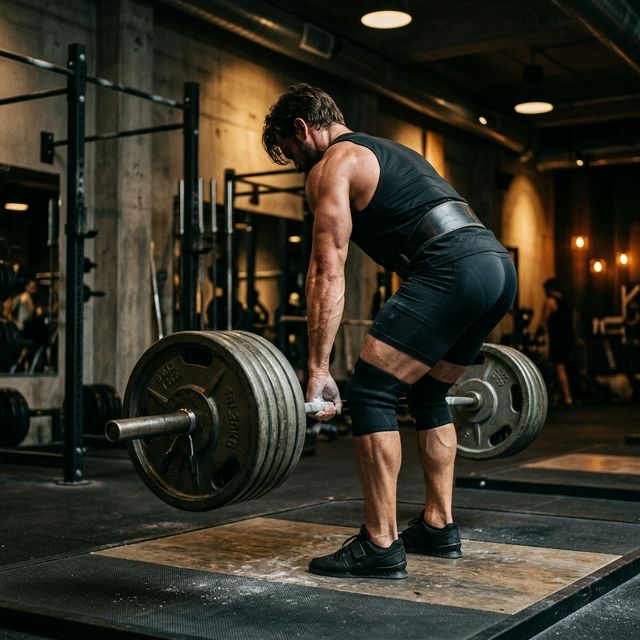
Intense strength training with heavy compound exercises (squats, deadlifts, bench press, overhead press) stimulates testosterone production most effectively. The acute post-workout spike is temporary, but regular training keeps baseline levels higher long-term.
Important: Overtraining lowers testosterone. 3–5 sessions per week with adequate recovery is ideal.
### 🥩 Nutrition – Don't Forget Fats
Your body needs fat for hormone production. Too little fat (under 0.8g/kg body weight) can lower testosterone. Focus on:
• Sufficient calories – A deficit over 20% massively suppresses testosterone
• Healthy fats – Olive oil, nuts, avocado, fatty fish (about 0.8–1.2g/kg body weight)
• Sufficient protein – 1.6–2.2g/kg body weight
• Carbohydrates – Yes, those too! Too few carbs raises cortisol, which lowers testosterone
### ⚖️ Body Fat in the Goldilocks Zone
Both too much and too little body fat suppresses testosterone. The enzyme aromatase (in fat tissue) converts testosterone to estrogen. More fat means more aromatase activity. The optimal zone is about 12–20% body fat. Below 8% or above 25%, things get hormonally problematic.
### 🧘 Stress Management
Chronic stress = chronically elevated cortisol = lower testosterone. The cortisol-testosterone axis is inverse: when one rises, the other falls. Meditation, nature walks, social connections, and hobbies aren't "wellness fluff" – they're hormonally relevant measures.
Step 2: Supplements – Honestly Evaluated
### ✅ Evidence Available
Vitamin D – With proven deficiency, supplementation can improve testosterone levels. 2,000 IU/day. Only relevant with actually low levels (blood test!). More in our vitamin D post.
Zinc – Essential for testosterone production. Supplementation helps when deficiency exists (common in athletes due to sweat loss). 15–25mg/day.
Ashwagandha – Moderate evidence: One study showed 18% testosterone increase vs. –11% in the placebo group. 300–600mg KSM-66 extract. Also helps with stress reduction. Take in cycles of 8–12 weeks.
### ⚠️ Weak/Mixed Evidence
Tongkat Ali (Eurycoma longifolia) – Preliminary results suggest a possible increase, especially in men with low levels. But the methodological quality of most studies is low. No clear consensus.
Fenugreek – Mixed results. Some studies show effects on free testosterone and libido, others don't. Some positive studies were funded by manufacturers – use caution.
### ❌ Save Your Money
D-Aspartic Acid (DAA) – Inconsistent results in healthy men. May briefly help with subclinical hypogonadism, but no effect at normal levels.
Turkesterone – The current hype. Mainly animal studies and in-vitro data. Barely any human studies showing a real testosterone increase. The expensive marketing far exceeds the current evidence.
Tribulus Terrestris – One of the most well-known "boosters" – and one of the most thoroughly debunked. Meta-analyses show no relevant effect on testosterone in healthy men.
Conclusion
Natural testosterone optimization is 80% lifestyle: sleep, strength training, sufficient calories and fat, stress management, healthy body fat percentage. The supplements with actual support are Vitamin D, zinc, and possibly ashwagandha – and only when a deficiency exists. Everything else is wasted money or at best a marginal effect. If you seriously suspect testosterone deficiency, get a blood test at your doctor – self-medicating with "boosters" is no substitute for proper diagnosis.