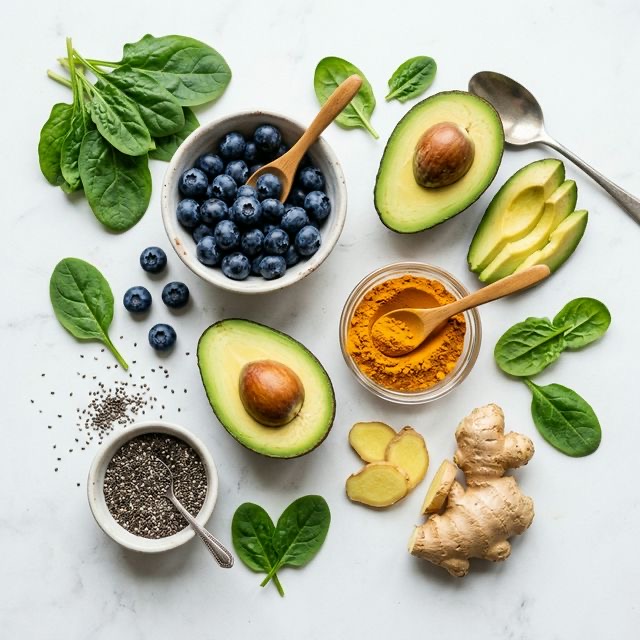
"Superfoods" are everywhere: on smoothie shelves, in fitness blogs, and on Instagram. But the term has no scientific definition – it's pure marketing. That doesn't mean all so-called superfoods are useless. But it's worth taking a closer look.
What Does "Superfood" Really Mean?
The term refers to foods with particularly high nutrient density – lots of vitamins, minerals, or phytochemicals per calorie. Sounds good, but it obscures a problem: many "superfoods" are consumed in such small amounts that the actual benefit approaches zero.
The Winners: Superfoods with Real Value
### 🏆 Beetroot – The Real MVP
Beetroot is the only "superfood" that consistently shows positive effects on athletic performance in meta-analyses. The reason: nitrates. Your body converts nitrates into nitric oxide (NO), which widens blood vessels, improves oxygen delivery, and can boost endurance performance.
Practical tip: 200–400ml of beetroot juice about 2–3 hours before training. This is one of the few evidence-based, natural supplements that actually work.
### 🥚 Quinoa – The Plant Protein Powerhouse
Quinoa is not a grain but a pseudocereal. The real advantage: it contains all essential amino acids – that's rare for plant protein sources. With about 14g of protein per 100g (dry weight), it's a solid foundation for vegetarian and vegan athletes.
### 🐟 Hemp Seeds – Omega-3 Without Fish
Hemp seeds provide a good ratio of Omega-3 to Omega-6 fatty acids. Relevant for athletes: Omega-3 can reduce post-workout inflammation and support recovery. However, hemp seeds deliver ALA (plant Omega-3), which is only converted to the more active forms EPA and DHA at about 5–10%. For Omega-3, fish or algae oil remains the more effective source.
The Overrated: More Hype Than Substance
### 🌀 Spirulina – Protein Wonder?
Spirulina is often marketed as a protein source: "60g protein per 100g!" The problem: nobody eats 100g of spirulina. A typical daily dose of 3–5g delivers just 2–3g of protein – that's irrelevant compared to a normal meal. Spirulina has an interesting micronutrient profile, but it's no substitute for real protein sources.
### 🌱 Chia Seeds – The Omega-3 Myth
Chia seeds are rich in ALA (plant Omega-3) and fiber. That's fundamentally positive. But the conversion rate from ALA to the truly relevant EPA and DHA is a meager 5–10%. Chia seeds are a nice topping, but no substitute for fish oil or algae oil.
Forgotten Champions: Ordinary Foods That Deliver More
Before buying expensive superfood powders, check out these "boring" alternatives:
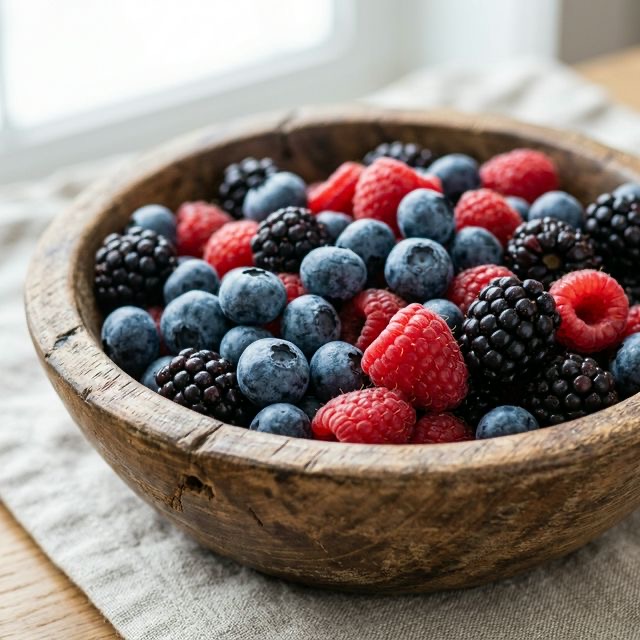
• Blueberries – extreme antioxidant density, affordable when frozen
• Broccoli – fiber, vitamin C, sulforaphane (potentially anti-inflammatory)
• Eggs – highest biological value, all vitamins except C
• Lentils – 25g protein/100g, fiber, iron, dirt cheap
Conclusion
There's no single food that will revolutionize your training. The only exception with strong evidence is beetroot (nitrates) for endurance performance. The rest? A varied diet with plenty of vegetables, fruit, protein, and complex carbs beats any superfood powder. Save your money and invest in quality staple foods.