
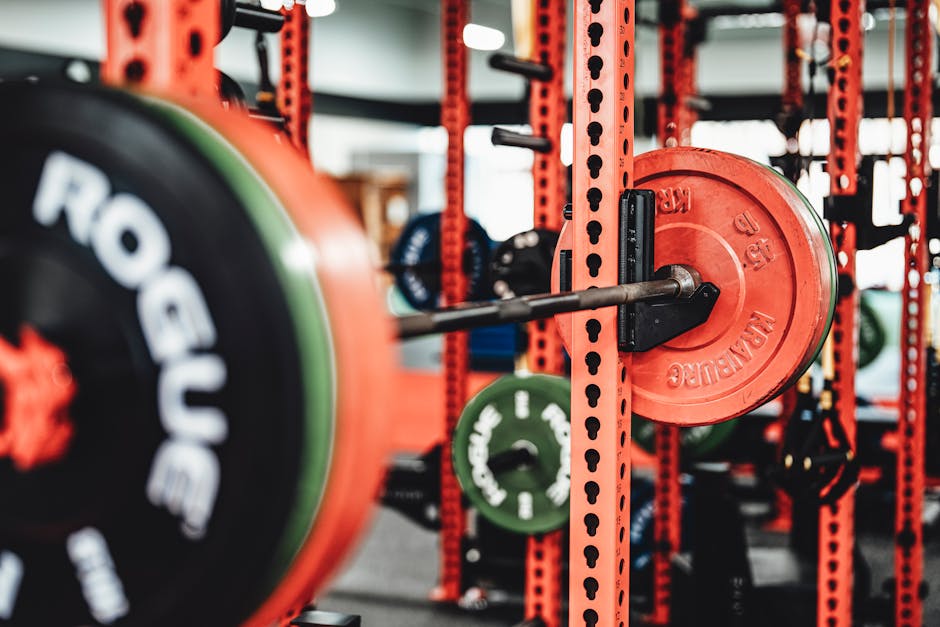
You train regularly but progress has stalled? You're probably missing the most important training principle: Progressive Overload.
What is Progressive Overload?
Progressive overload means demanding more from your muscles over time. Your body adapts to stress – if you always do the same thing, there's no reason to grow.

5 Methods of Progression
1. More Weight – The classic method: If you manage 3×10 at 60kg, try 62.5kg. Small steps (1.25–2.5kg) are enough.
2. More Reps – Progress from 3×8 to 3×10 before increasing weight.
3. More Sets – Increase from 3×10 to 4×10 – more volume means more growth stimulus.
4. Shorter Rest – 90s instead of 120s rest at the same weight = higher intensity.
5. Better Execution – Slower negatives (3s), pause at bottom, full range of motion.
Common Mistakes
• Too big jumps: 5kg per week is too much. 1–2.5kg on compound lifts, 1–2 reps on isolation exercises.
• No logbook: If you don't know what you did last week, you can't progress.
• Ego lifting: Form ALWAYS beats weight. Bad form = no muscle focus + injury risk.
The Practical Approach
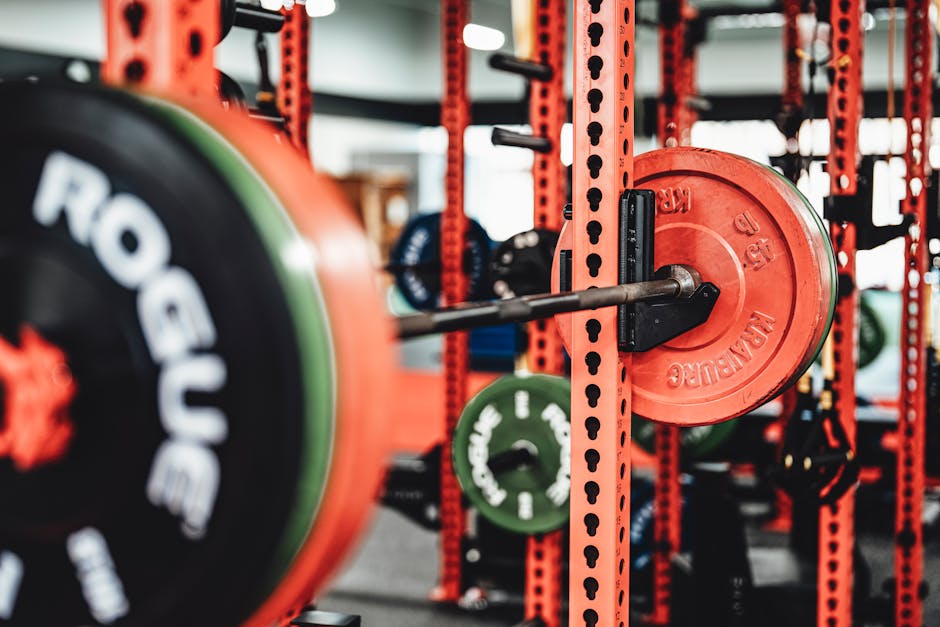
Use "Double Progression": Work in a rep range (e.g., 8–12). Start at 3×8, progress to 3×12, then increase weight and restart at 3×8. Simple and effective.
Conclusion
Progressive overload isn't optional – it's the foundation of muscle building. Keep a training log and focus on steady, small improvements. Use our training plans with %1RM recommendations for structured progression.